Cable Tray Types, Applications, and Benefits: A Complete Guide for Electrical Wiring Systems
Managing electrical cables becomes increasingly important as the number of cables in a building, factory, or industrial facility grows. If cables are left without proper support or routing, they can become difficult to identify, inspect, and maintain. They may also take up unnecessary space and create problems during future electrical work.
Choosing a cable tray, however, is not simply about selecting a tray of the required size. Different designs are available for different cable loads and installation conditions. Understanding the types, applications, and benefits of cable trays can make it easier to select a suitable solution for an electrical wiring system.
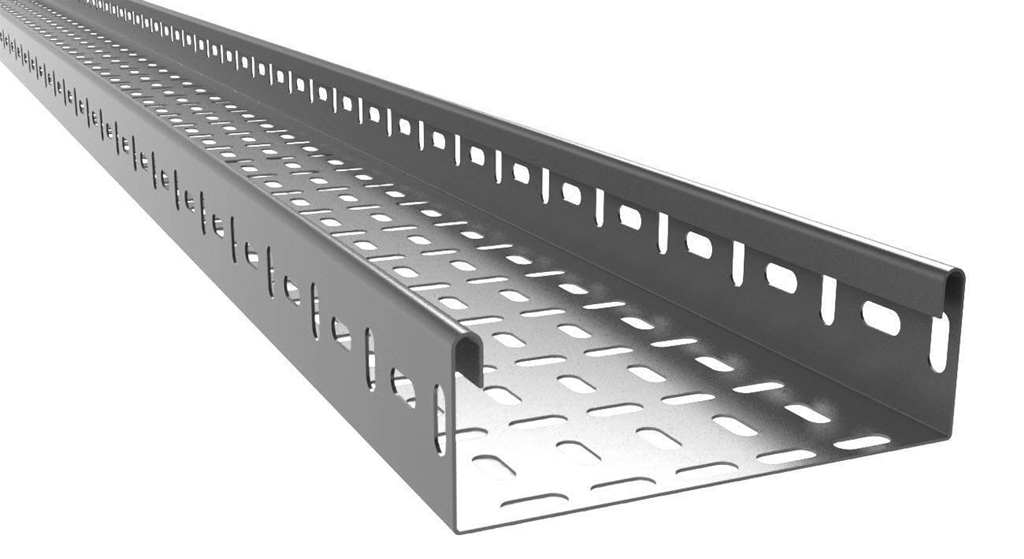
What Is a Cable Tray and How Does It Help in Cable Management?
A cable tray is a support system designed to carry and organize electrical and communication cables. It provides a fixed route for cables and can be installed along walls, ceilings, service corridors, equipment areas, or other suitable locations.
A properly planned cable tray system can help with:
- Keeping cables arranged in a defined route
- Making cables easier to access during maintenance
- Providing better airflow around cables
- Reducing unnecessary cable clutter
- Supporting future cable additions
- Making electrical installations easier to inspect
For larger projects, good cable management can save considerable time during both installation and maintenance.
What Are the Different Types of Cable Trays?
There is no single cable tray design that works for every electrical installation. Cable trays are manufactured in different forms to suit different requirements. The choice generally depends on the type of cable being installed, cable weight, available space, ventilation requirements, and the surrounding environment.
Perforated Cable Tray
Perforated cable trays have small openings along the base and sides. These openings provide ventilation and also offer convenient points for securing cables.
They are widely used for electrical, control, and instrumentation cables. Their design provides a balance between cable support and accessibility, making them suitable for many commercial and industrial applications.
Some useful features include:
- Good ventilation
- Easy cable fixing
- Simple inspection
- Convenient installation
- Suitable for different cable sizes
Ladder Cable Tray
As the name suggests, a ladder cable tray resembles a ladder. It has two side rails connected by horizontal rungs. Because of its open construction, air can circulate easily around the cables.
Ladder trays are often considered for installations where large quantities of power cables have to be routed over longer distances.
They are commonly found in:
- Industrial plants
- Power projects
- Manufacturing facilities
- Electrical distribution systems
- Heavy-duty cable installations
Solid Bottom Cable Tray
A solid bottom cable tray has a continuous base instead of an open or perforated surface. This design provides continuous support to the cables and can be useful where additional cable protection is required.
It can also help prevent small objects or debris from passing through the tray and reaching the cables below.
Wire Mesh Cable Tray
Wire mesh cable trays are made using a welded wire structure. They are relatively lightweight and provide an open framework for cable routing.
They are commonly used for communication cables, control cables, and other installations where flexibility and accessibility are important.
The open structure also makes it easier to add or remove cables when changes are required.
Trough Cable Tray
Trough cable trays provide a structured pathway for cables and can be available with different base designs depending on the application.
They can be used in electrical, control, and instrumentation installations where cables need to remain properly supported and routed.
Where Are Cable Trays Commonly Used?
Cable trays can be found in almost any large electrical installation where several cables need to be routed from one point to another. They are especially useful in places where cable organization and easy access are important.
Some common applications include:
- Manufacturing units
- Industrial plants
- Commercial buildings
- Warehouses
- Data centers
In industrial facilities, one cable tray system may carry power cables while another route may be used for control, instrumentation, or communication cables. Proper planning helps keep these systems organized and reduces confusion during maintenance.
What Are the Main Benefits of Using Cable Trays?
Cable trays offer several practical advantages over less organized cable-support methods. Their open and accessible construction makes them particularly useful for installations that may need regular inspection or future modifications.
Better Cable Organization
One of the biggest advantages of a cable tray is that it gives cables a defined route. Instead of having cables spread across different areas, they can be arranged along a planned pathway.
Easy Maintenance
Cable trays leave cables relatively accessible compared with systems where cables are difficult to reach. Technicians can inspect the cable route, identify damaged cables, and carry out maintenance work more conveniently.
Improved Air Circulation
Many cable tray designs have an open structure that allows air to move around the cables. This can be useful in installations where several cables are routed together.
Flexibility for Future Changes
Electrical systems do not always remain the same. New machines may be installed, production areas may expand, or additional cables may be required.
Efficient Use of Space
Cable trays can be installed overhead, along walls, or through designated service areas. This helps keep cables away from walkways and working spaces while making better use of the available area.
Practical Installation
Cable trays can be installed using suitable brackets, supports, bends, couplers, and other accessories. Their modular nature makes them practical for both new installations and certain modification projects.
How Should You Select the Right Cable Tray?
Selecting the right cable tray requires more consideration than simply checking its dimensions. The tray needs to support the cable load and remain suitable for the environment where it will be installed.
Before making a selection, it is useful to consider:
- Number of cables to be installed
- Cable diameter and overall size
- Total cable weight
- Required tray width and depth
- Installation location
For example, a tray carrying heavy power cables may require a different construction from one used for lightweight communication cables.
Why Is Cable Tray Material Important?
The material and finish of a cable tray can affect its strength, service life, and resistance to environmental conditions.
Steel cable trays are commonly considered for applications where mechanical strength and load-bearing capacity are important. Galvanized steel can provide additional protection against corrosion.
The surrounding conditions should therefore be considered before deciding on the tray material.
What Should Be Considered During Cable Tray Installation?
Correct installation is just as important as selecting a suitable cable tray. If the tray is poorly supported or overloaded, it may affect the reliability of the cable management system.
During installation, the following points should be checked:
- Proper alignment of tray sections
- Correct spacing between supports
- Suitable brackets and fasteners
- Appropriate bends and accessories
- Cable loading limits
- Adequate clearance
Installation should always follow the relevant project specifications, electrical requirements, and applicable safety practices.
How Can Cable Trays Be Maintained?
Cable trays generally require less complicated maintenance than many enclosed cable-management systems, but they should still be inspected regularly.
Routine checks can help identify physical damage, corrosion, loose connections, or excessive cable loading before they become larger problems.
Maintenance inspections can include:
- Checking for corrosion
- Inspecting brackets and supports
- Checking tray joints and connections
- Looking for damaged sections
- Checking whether cables are properly arranged
The frequency of inspection can depend on the location and operating conditions. Outdoor installations or facilities exposed to moisture, chemicals, dust, or vibration may require more frequent checks.
Why Choose Mauli Techsol for Cable Trays?
Choosing the right supplier is an important part of planning a cable management system. The cable tray should match the project's technical requirements rather than being selected only on the basis of price or appearance.
Mauli Techsol provides cable tray solutions for electrical and industrial applications in Pune and other locations. Depending on the project, customers can consider factors such as tray design, dimensions, material, load requirements, and installation conditions before selecting a suitable option.
When evaluating cable tray solutions, it is useful to consider:
- Product construction and quality
- Suitable material and finish
- Required dimensions
- Cable load capacity
- Application requirements
- Availability of accessories
- Installation requirements
- Product guidance and support
Conclusion
Cable trays have become an important part of electrical cable management because they provide a practical and organized way to support and route cables. They can be used across industrial, commercial, infrastructure, power, and communication projects.
Different options such as perforated, ladder, solid bottom, wire mesh, and trough cable trays are available to meet different installation requirements. The right choice depends on cable quantity, weight, environment, material, ventilation, available space, and future expansion needs.
For projects in and around Pune, selecting suitable products from reliable Cable Tray Manufacturers in Pune can help businesses develop a cable management system that is organized, accessible, and suited to their electrical requirements.