Different Types of Chemical Tanks Explained
Chemical storage and handling play a critical role across industries such as pharmaceuticals, water treatment, chemicals, food processing, agriculture, and manufacturing. Selecting the right tank is essential for ensuring safety, product quality, operational efficiency, and regulatory compliance. As a trusted manufacturers, suppliers, and exporters of chemical tanks, Mauli Techsol understands that different applications require different storage solutions based on the chemical properties, storage volume, temperature conditions, and handling requirements.
This guide explains the various types of chemical tanks, their applications, materials, and factors to consider when choosing the most suitable solution for your operations.
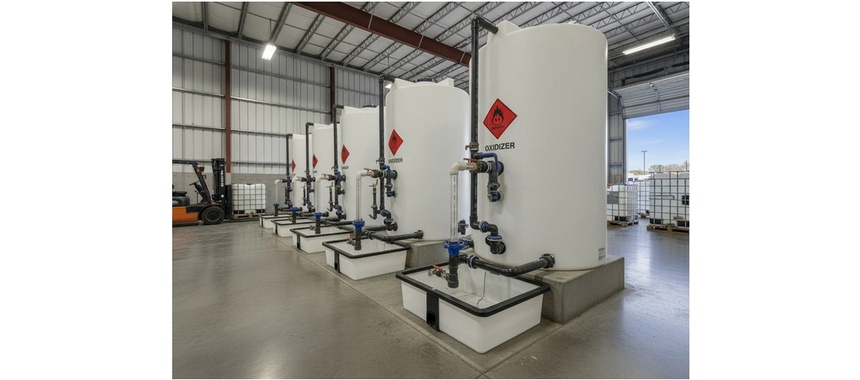
What Are Chemical Storage Tanks?
Chemical Storage Tanks are specially designed containers used for storing, processing, mixing, or transporting various chemicals safely. These tanks are manufactured using materials that can withstand corrosion, chemical reactions, temperature fluctuations, and environmental conditions.
The right tank selection helps businesses minimize risks, improve productivity, and ensure long-term durability.
Chemical Storage Tank Types and Uses
Different industries use different tank designs depending on the nature of chemicals being stored.
1. Vertical Chemical Storage Tanks
Vertical tanks are among the most widely used storage solutions for bulk liquid chemicals.
Key Benefits:
- Space-efficient design
- Suitable for large storage capacities
- Easy installation and maintenance
- Ideal for above-ground applications
Common Applications:
- Water treatment chemicals
- Acids and alkalis
- Industrial process liquids
- Fertilizers and additives
2. Horizontal Chemical Storage Tanks
Horizontal tanks are commonly used where height restrictions exist or where transportation and mobility are important.
Advantages:
- Easy transportation
- Stable low-profile design
- Convenient loading and unloading
- Suitable for temporary and permanent installations
Used For:
- Chemical transportation
- Industrial storage facilities
- Manufacturing plants
3. Chemical Dosing Tanks
Chemical dosing tank types explained simply refer to tanks specifically designed for accurate chemical dosing and metering applications.
Features:
- Integrated dosing systems
- Chemical-resistant construction
- Precision chemical handling
- Easy pump integration
Applications Include:
- Water treatment plants
- Effluent treatment systems
- Chemical injection processes
- Industrial dosing operations
4. Process Tanks
A chemical process tank vs storage tank differs mainly in its function. While storage tanks primarily hold chemicals, process tanks are used during manufacturing operations.
Process Tank Functions:
- Mixing
- Blending
- Heating
- Cooling
- Reaction processes
These tanks often include agitators, heating jackets, and specialized fittings for process control.
Industrial Chemical Tank Materials Guide
Material selection is one of the most important factors when choosing a chemical tank.
1. Stainless Steel Chemical Tanks
An SS Chemical Storage Tank is preferred for applications requiring superior strength, hygiene, and temperature resistance.
Benefits:
- Excellent corrosion resistance
- Long service life
- High structural strength
- Suitable for demanding industrial environments
Common Industries:
- Pharmaceuticals
- Food processing
- Specialty chemicals
- Petrochemicals
2. Plastic Industrial Chemical Tanks
Plastic Industrial Chemical Tanks are widely used because of their affordability and excellent chemical resistance.
Advantages:
- Lightweight construction
- Cost-effective solution
- Corrosion-resistant design
- Easy installation
Suitable For:
- Water treatment chemicals
- Fertilizers
- Mild acids and bases
- Industrial liquid storage
3. FRP Chemical Tanks
FRP (Fibre Reinforced Plastic) tanks provide a strong balance between durability and corrosion resistance.
FRP Chemical Tanks vs Polyethylene Tanks
Both options offer excellent chemical resistance, but each serves different needs.
FRP Tanks:
- Higher mechanical strength
- Better for large industrial installations
- Superior structural rigidity
Polyethylene Tanks:
- More economical
- Lightweight
- Easier handling and installation
The final choice depends on chemical compatibility, storage volume, and operational requirements.
4. Bunded Chemical Storage Tanks
Bunded chemical storage tanks feature a secondary containment layer designed to prevent chemical leakage from reaching the surrounding environment.
Why Choose Bunded Tanks?
- Enhanced environmental protection
- Improved workplace safety
- Regulatory compliance support
- Reduced spill-related risks
These tanks are particularly suitable for hazardous and environmentally sensitive chemicals.
5. Hazardous Chemical Containment Tank Types
Certain chemicals require specialized containment systems due to their corrosive, toxic, or reactive nature.
Common Containment Solutions:
- Double-wall tanks
- Bunded tanks
- FRP containment tanks
- Stainless steel containment systems
- Customized hazardous chemical storage tanks
Choosing the correct hazardous chemical containment tank type helps protect personnel, equipment, and the environment.
6. Above Ground Chemical Storage Tank Options
Above-ground storage remains one of the most practical solutions for industrial facilities.
Popular Above-Ground Tank Choices:
- Vertical storage tanks
- Horizontal storage tanks
- Stainless steel tanks
- Plastic chemical tanks
- FRP storage tanks
- Bunded storage systems
These options offer easy inspection, maintenance accessibility, and lower installation costs compared to underground systems.
7. Bulk Chemical Storage Tank Selection
When evaluating bulk chemical storage tank selection, businesses should consider several important factors.
Key Selection Criteria:
- Chemical compatibility
- Storage capacity requirements
- Operating temperature
- Pressure conditions
- Environmental regulations
- Installation location
- Maintenance requirements
- Budget considerations
Proper assessment ensures safe storage, longer tank life, and optimized operational performance.
Choosing the right chemical tank is essential for maintaining safety, operational efficiency, and long-term reliability. Whether your requirement involves Chemical Storage Tanks, SS Chemical Storage Tank solutions, Plastic Industrial Chemical Tanks, dosing systems, process tanks, or hazardous chemical containment applications, understanding the different tank types helps you make an informed investment. With extensive industry expertise and a commitment to quality manufacturing standards, Mauli Techsol delivers dependable chemical storage solutions designed to meet diverse industrial requirements across domestic and international markets.for more details.